


Islam
Similarities and Differences Between Judaism and Islam
Judaism and Islam are monotheistic religions that share many similarities. Both teach that there is only one God and that humans are the highest creatures on earth, capable of both good and evil.
Here, we will explore key similarities between Islam and Judaism, showing that they are not as different as some may think.
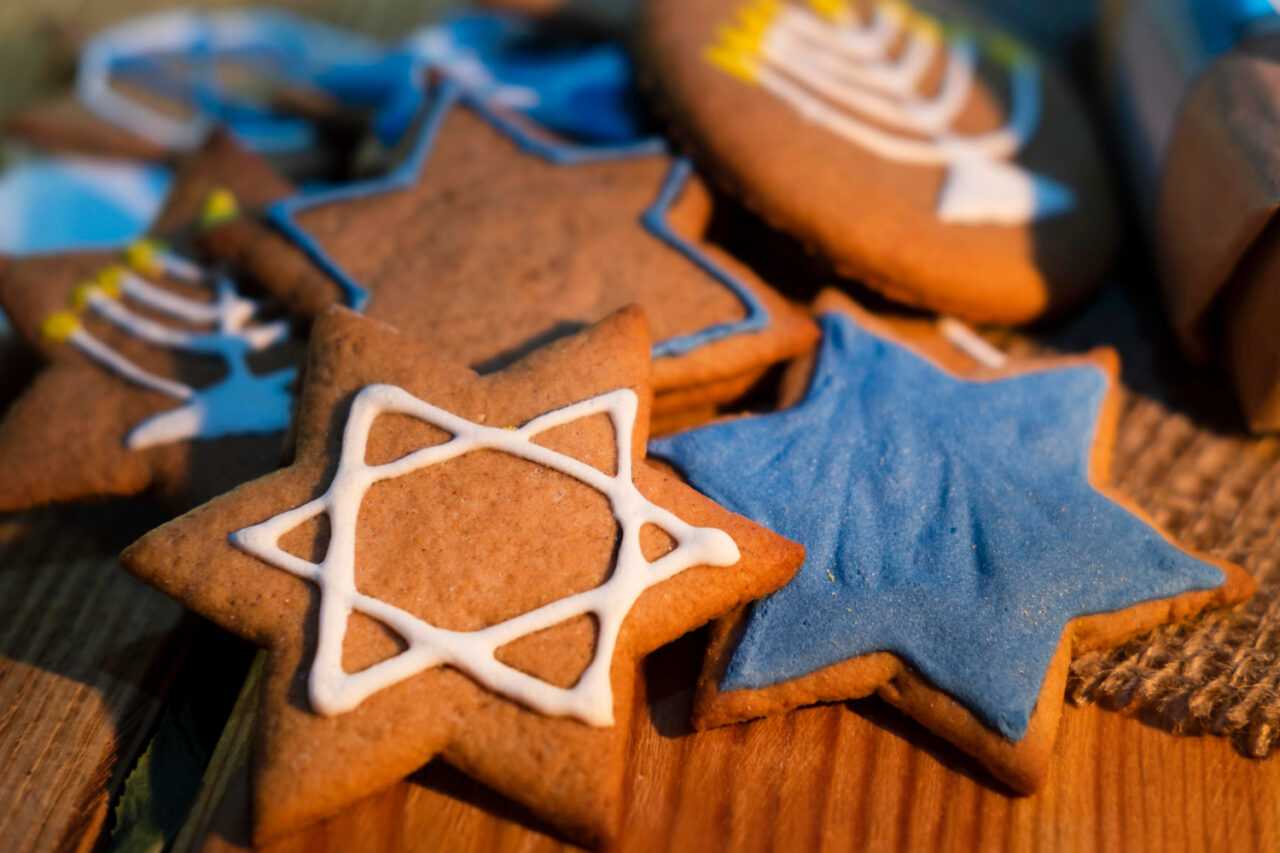
9 Surprising Similarities Between Islam and Judaism
By understanding these shared values, we can better appreciate the strong connections between these two faiths and reduce misunderstandings.
| Category | Judaism | Islam |
|---|---|---|
| Monotheism | God is referred to as Yahweh or Hashem | God is called Allah |
| Prophets | Recognizes Abraham (Ibrahim), Moses (Musa), and Noah (Nuh) as messengers of God | Believes in all the same prophets, and Moses is the most frequently mentioned prophet in the Quran |
| Holy Scriptures | Sacred text is the Torah, revealed to Moses | Holy book is the Quran, considered the final and complete revelation |
| Daily Prayer | Jews pray three times a day facing Jerusalem | Muslims pray five times a day facing Mecca |
| Circumcision | Newborn males are circumcised on the eighth day, as commanded in the Torah | Not explicitly commanded in the Quran, but well established through the tradition of the Prophet Muhammad |
| Dietary Laws | Jews follow kosher laws | Muslims follow halal guidelines. Both prohibit pork and require animals to be slaughtered in a specific manner while invoking the name of God |
| Charity | Known as Tzedakah | Known as Zakat |
| Moral Conduct | Emphasizes honesty, fairness, kindness, and respect for others | Same core values, seen as essential to living a good and satisfying life |
| Modesty | Jewish women frequently cover their hair with a scarf or wig | Muslim women wear the hijab |
Both faiths highlight that God is one of a kind, cannot be divided, and is the only creator and supporter of the world.

How Do Judaism and Islam Differ?
Although Judaism and Islam share common Abrahamic roots, they differ significantly in beliefs, practices and traditions. Here is a detailed comparison of these two religions.
| Category | Judaism | Islam |
|---|---|---|
| Origins | Founded by Moses, who led the Israelites out of Egypt and received the Torah from God at Mount Sinai | Established by Prophet Muhammad in 622. Muslims believe Muhammad is the last prophet and the Quran is the final revelation |
| Abrahamic Lineage | Descendants of Abraham’s son, Isaac | Descendants of Abraham’s son, Ishmael |
| Sacred Texts | Main holy text is the Tanakh, which includes the Torah | The Quran is the main religious text, alongside the Hadith |
| Concept of God | Belief in one God, often called Hashem or Adonai | Belief in one God, Allah, who is unique and incomparable |
| Belief in Prophets | Recognizes many prophets; Moses is considered the greatest | Believes Muhammad is the final prophet and recognizes many others, including those in Judaism |
| Practices and Worship | Daily prayers, Sabbath observance, 613 commandments (mitzvot), worship in synagogues | Five Pillars: Shahada, Salah, Zakat, Sawm, Hajj. Worship in mosques |
| View on Jesus | Does not recognize Jesus as the Messiah or a divine figure | Regards Jesus (Isa) as a prophet, not divine and not the son of God |
| Life After Death | Varying beliefs, some in an afterlife or rebirth, others focused on following God’s commandments | Belief in a detailed afterlife where individuals are judged and rewarded or punished based on their deeds |
| Images and Art | Idolatry traditionally forbidden; modern artistic representation allowed outside worship | Images of God and prophets are generally not allowed, to prevent idolatry. Islamic art often features calligraphy and geometric patterns |
| Religious Law | Guided by Halakhah, the Torah’s commandments and rabbinic interpretation | Guided by Sharia, based on the Quran and Hadith |
| Major Holy Days | Rosh Hashanah, Yom Kippur, Passover, Hanukkah | Ramadan, Eid al-Fitr, Eid al-Adha |
| Clergy | Led by Rabbis and Cantors | Led by Imams, Sheikhs, and Mullahs |
| Marriage | Modern Jewish law emphasizes monogamy, with specific rituals for marriage and divorce | Men may marry up to four wives under specific conditions; marriage is highly recommended and divorce is regulated by Islamic law |
| Position of Women | Views vary across different branches of Judaism | Views vary by culture, within the framework of Islamic teachings |
Frequently Asked Questions
Q1. Are Islam and Judaism the Same Religion?
No. Islam and Judaism are two separate, distinct religions. They share a common origin as Abrahamic faiths and both trace their roots to the Prophet Abraham, but they differ in their holy scriptures, prophets, laws and core beliefs. Judaism centers on the Torah and the covenant with the Jewish people, while Islam centers on the Quran and the belief that Muhammad is God’s final messenger.
Q2. Do Jews Believe in Allah?
Jews do not use the word “Allah,” which is Arabic for God, but Judaism and Islam both worship the same one God of Abraham. In Judaism, God is referred to as Yahweh or Hashem. The belief in a single, all-powerful creator is a core value shared by both faiths, even though the names and some attributes differ.
Q3. Do Muslims Believe in the Torah?
Muslims believe the Torah was originally revealed by God to Moses and view it as a sacred scripture. However, Islamic teaching holds that the original text was not fully preserved over time, which is why Muslims regard the Quran as the final and complete revelation from God.
Q4. What Do Judaism and Islam Have in Common?
Judaism and Islam share monotheism, respect for many of the same prophets including Abraham and Moses, structured daily prayer, dietary laws that prohibit pork, an emphasis on charity, and shared values around modesty and moral conduct. Both are also classified as Abrahamic religions.
Q5. Is Islam Based on Judaism?
Islam is not based on Judaism, but the two faiths share historical and theological roots. Both trace their lineage to Abraham, and Islam recognizes many figures from Jewish scripture as prophets. Islamic teaching holds that Islam represents the same core message of monotheism that was revealed earlier to Jewish prophets, later completed through the Quran.

No Comments